
Leave your first name and email once, and all eight stories open on this phone. Scan once; no signing in again at every door.
Your info stays with Roche Home Co.
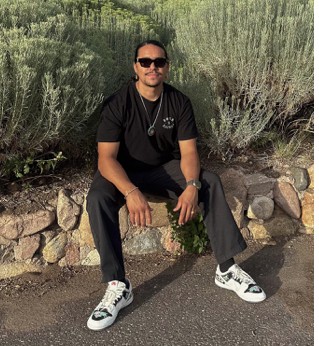
Every arts district needs people who keep the record. Photographers are the ones who notice the walls, the gatherings and the faces, usually before anyone else decides they were worth remembering.
The Photographer's Residence is named for all of them.
Of those photographers, we recognize Tomás Karmelo Amaya. He was raised in West Phoenix, his work has been published and featured by The New York Times, CNN, Hasselblad and Apple, and his pictures are made from inside the communities they show.1
Photography can document a place. Tomás uses it to remember, to heal, and to picture what comes next.
He was born for the A:shiwi, Rarámuri and Yoeme tribes, and works as a creative director, filmmaker, writer, visual artist and Indigenous futurist. He was raised in West Phoenix. His stated aim is creating opportunities for healing by embracing intentionality and Indigenous teachings.1
He calls the work visual medicine. The phrase is doing real work: these are not photographs taken of people, they are photographs made with them, grounded in relationship before the camera is raised.
He and his wife, Siera Begaye Amaya, co-own Kanion, a creative agency and production company based in Phoenix.1
Most photography about Indigenous people in the Southwest has historically been made by outsiders passing through. Tomás's work is the other thing. It looks at Arizona, at Indigenous life and at contemporary family from within.
That distinction is the whole reason we recognize him at this residence. A neighborhood that is being rewritten at speed needs people who know the difference between recording a place and belonging to it.
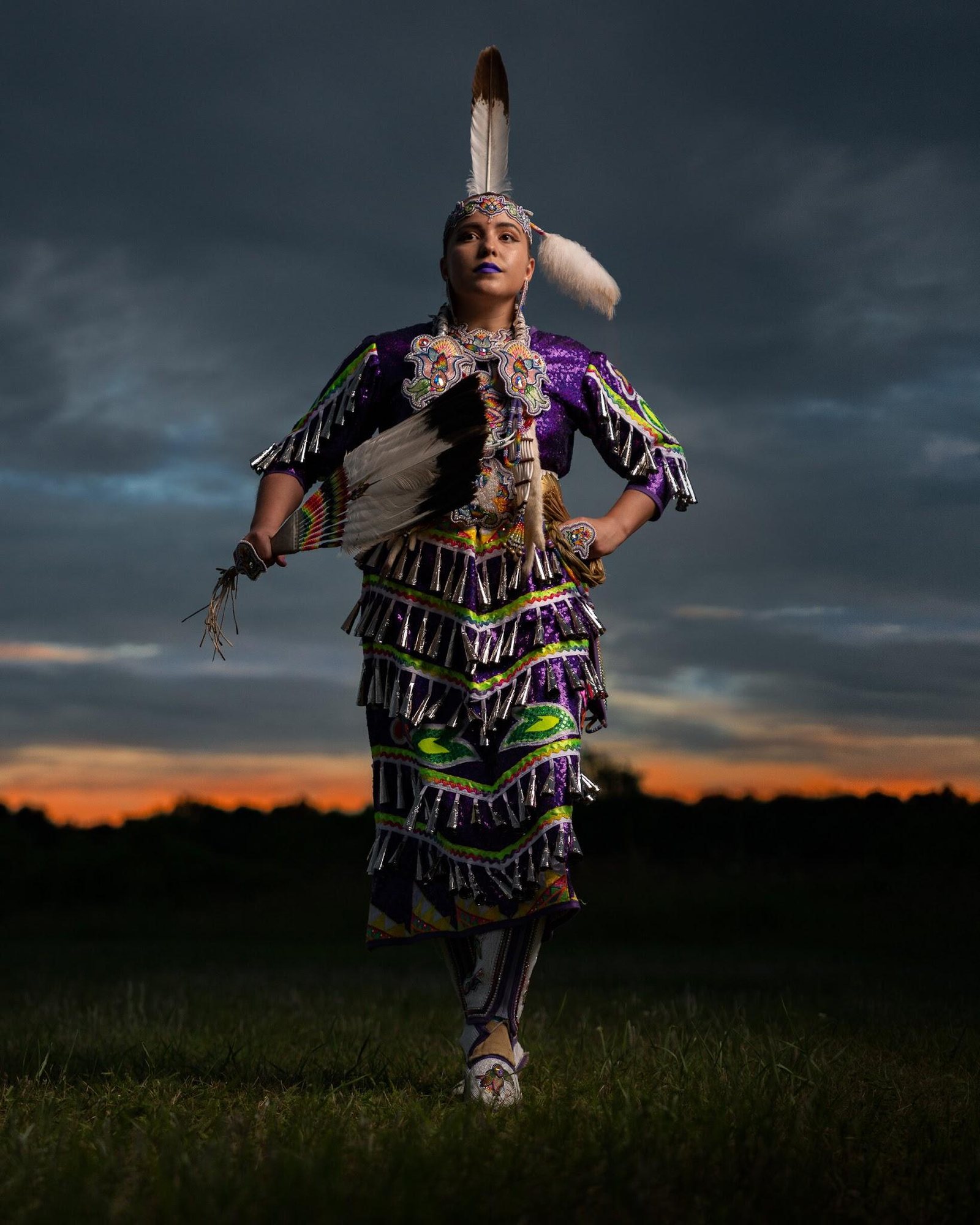
We could have called it Unit 2.
Instead it is The Photographer's Residence, named for the people who keep a neighborhood's record, and recognizing a Phoenix-raised artist whose pictures preserve stories while making room for new ones.
Every home on this block is new. Every story these homes honor is older than the buildings. The Photographer's Residence recognizes the person whose job is making sure the older thing survives the newer one.
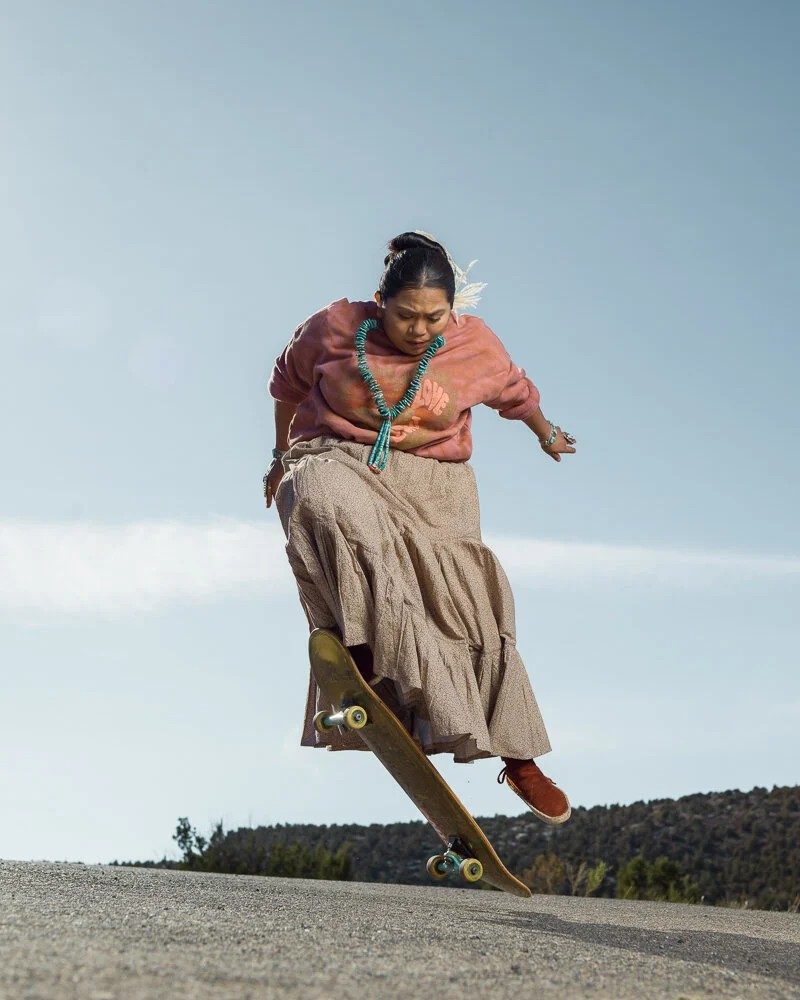
When you support local artists, you are supporting your neighbors and your neighborhood.
A Storied Series by Bri Roche, founder of Roche Home Co.